
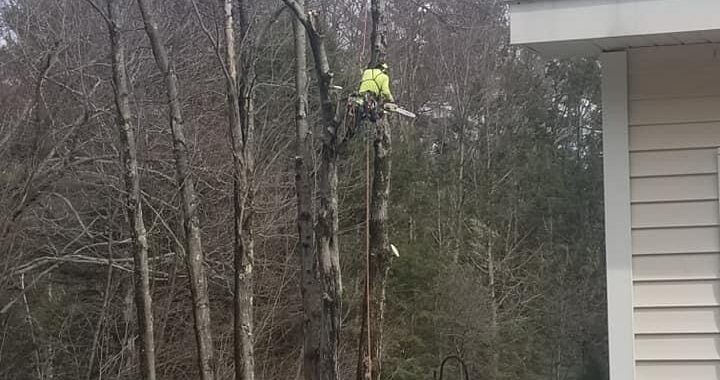
Seeing a tree branch on a power line is scary for NH homeowners, and the wrong reaction can make things much worse. Whether it’s storm damage or a long-overlooked limb, electricity is unforgiving.
Stay calm, keep a safe distance, and follow these steps to protect your family and property. This guide walks you through immediate actions, what not to do, prevention tips, and exactly who to call for fast, safe help in Southern New Hampshire.
The Hidden Risks: Why Trees and Power Lines Don’t Mix
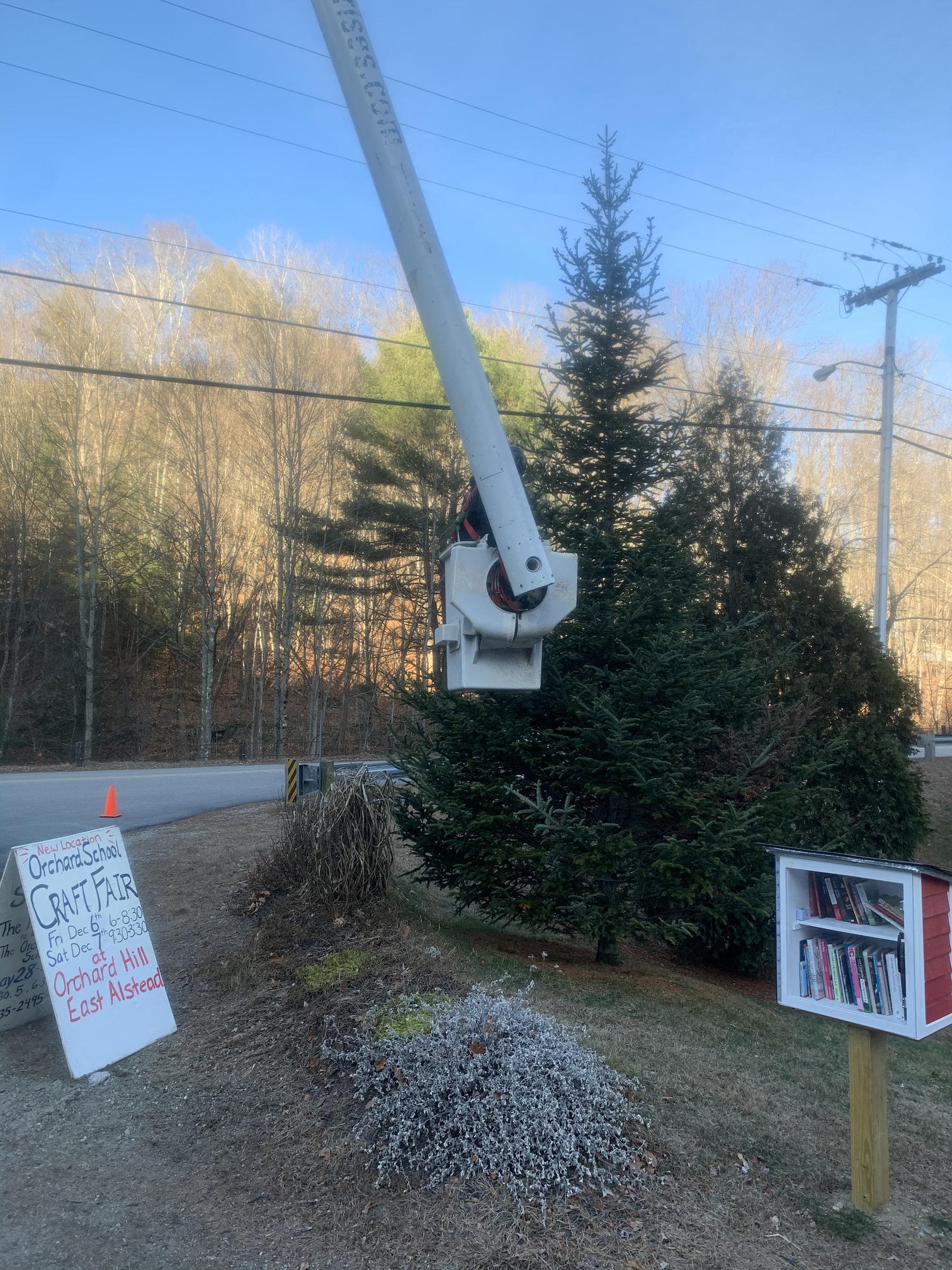
Electricity always finds a path to the ground, and a branch can become that path in an instant. It’s not just about the lights going out; the physical connection between a tree and a live wire creates immediate danger.
Understanding the Electrical Hazards
If a tree comes into contact with a high-voltage line, the results can be catastrophic. Be aware of these specific risks:
- Sudden power surges: Contact can send high voltage into your home’s electrical panel, damaging appliances.
- Fires from arcing: “Arcing” occurs when electricity jumps from the wire to the branch, creating intense heat and sparks that can ignite the tree and surrounding brush.
- Electric shock: You don’t have to touch the wire to get shocked. If you or your pets get too close to the energized tree or the ground around it, the current can travel through the soil.
- Costly service interruptions: One branch can knock out power for your entire neighborhood.
Common Misconceptions About Power Line Safety
Many homeowners assume a power line is safe if the lights are off; that’s not true. Lines can still carry current even when the power appears to be out. People also think small branches are harmless, but wet or windy conditions can make even thin limbs conductive and capable of causing arcing.
Debunking Power Line Myths
There is a lot of bad advice circulating regarding tree branches on power lines that NH residents need to disregard.
Myth: “If the power is out, the line isn’t dangerous.” Fact: Lines can still carry lethal current from automated re-closers or back-feed from generators even when they appear inactive.
Myth: “Small branches won’t cause damage.” Fact: Even thin branches can spark or short-circuit in wet conditions, leading to fires.
Myth: “Tree trimming near lines is a DIY job.” Fact: It requires certified electrical hazard training and insulated tools. Never attempt this yourself.
What NOT to Do When You See a Tree Touching a Power Line
Most accidents happen because homeowners try to fix the problem themselves. If you see a tree touching a power line, your instinct might be to “clean it up,” but you must resist that urge.
❌ Don’t approach or touch the branch: The ground around the tree may be energized.
❌ Don’t spray water: Never try to put out an electrical tree fire with a hose; water conducts electricity.
❌ Don’t attempt to cut it down: Standard ladders and chainsaws are not insulated against high voltage.
❌ Don’t climb the tree for inspection: The weight of your body could shift the branch and break the line.
❌ Don’t ignore warning signs: Buzzing, flickering lights, or smoke are signs of an active emergency.
How to Respond Safely
Follow this checklist to manage the situation without putting anyone at risk.
Step-by-Step Emergency Actions
- Back away immediately: Keep everyone, including pets, at least 30 feet away from the tree and the wire.
- Assess from a distance: Look for smoke, sparks, or broken cables without moving closer.
- Call your power company: Report it immediately. If there is fire or sparking, call 911 first.
- Notify a licensed tree service in NH – Once the utility company has made the area safe, call us for emergency tree services to handle the removal and inspection.
- Document the damage: Take photos from a safe distance for your insurance and utility records.
How to Prevent Future Incidents
✅ Schedule professional pruning once a year
✅ Trim young trees before they grow near lines
✅ Choose species that grow away from overhead wires
✅ Inspect your property after every major storm
Utility vs. Homeowner Responsibility in NH
One of the most confusing aspects for homeowners is figuring out who pays for what. The rules change depending on whether the issue is a tree branch touching a power line to the house (the service drop), or the main street line.
Who Handles the Repair?
In New Hampshire, responsibility is generally divided as follows:
|
Scenario |
Who Handles It | What They Do |
|
Branch on a public power line |
Utility company |
Removes and restores power safely |
|
Tree touching the line to the private home |
Homeowner + tree care service | Coordinates safe trimming or removal |
| Tree leaning dangerously toward power lines | Homeowner |
Must act before it makes contact |
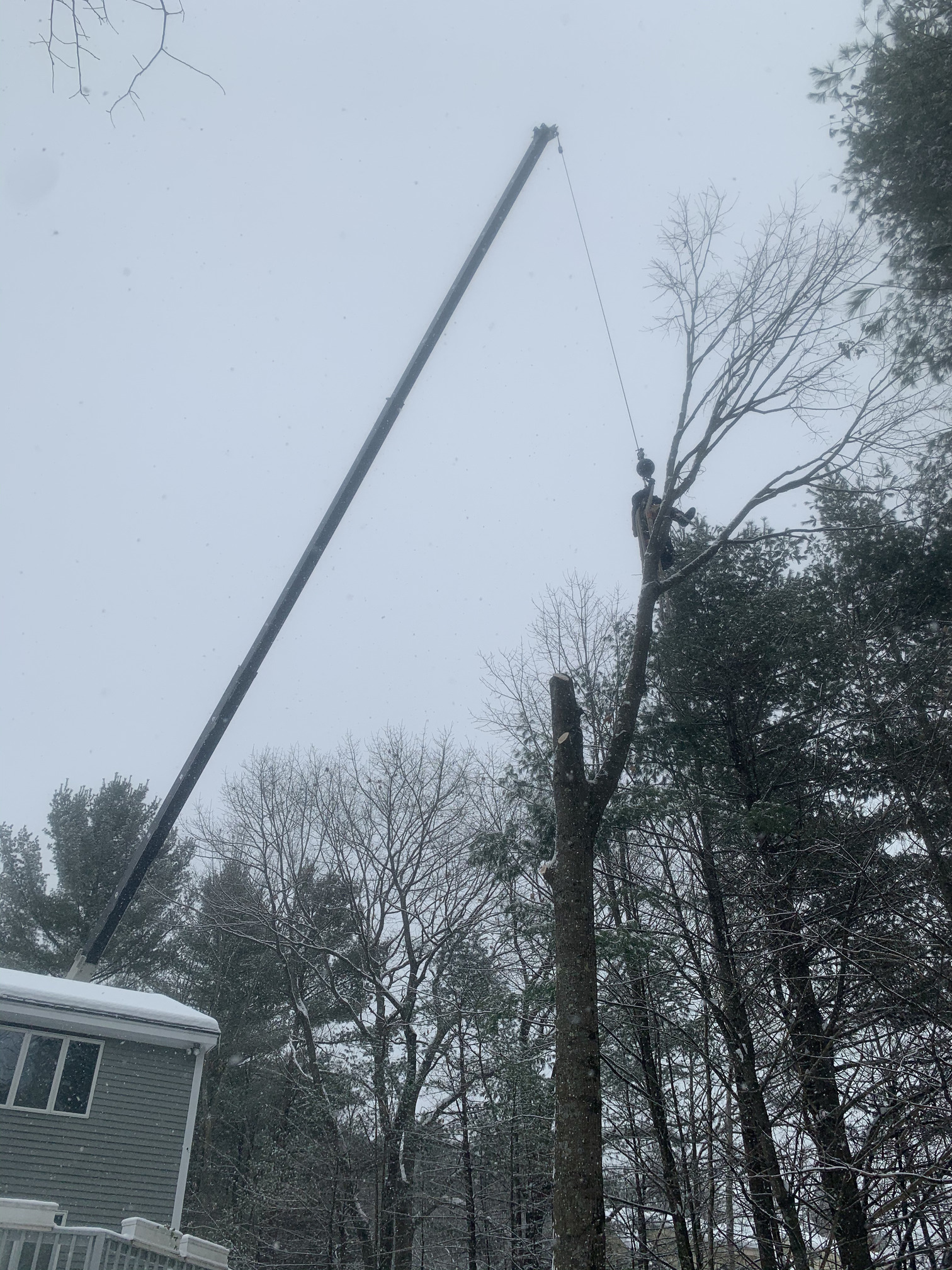
When to Call the Tree Experts
A tree branch on a power line in NH is more than an inconvenience, it’s a safety risk that requires expert attention. Whether it’s storm damage, an overgrown branch, or a leaning tree after heavy winds, acting fast can prevent power outages and costly repairs.
That’s where Chris Lane Enterprises can help. Our certified team provides:
✅ Emergency tree removal after storms
✅ Preventive trimming for trees near power lines
✅ Safe handling of hazardous or hard-to-reach branches
We have the equipment, training, and local experience to manage dangerous situations with care, keeping your home and family safe.
Don’t wait until it’s too late, contact Chris Lane Enterprises today for safe, professional tree care anywhere in southern NH.
FAQs
What to do if a branch is on a powerline?
Stay at least 30 feet away and do not touch the tree or the line. If it is sparking or smoking, call 911. If not, call your utility company (like Eversource or Unitil) to report the hazard. If the line connects directly to your house (service drop), you will likely need to hire a private tree service to remove the branch once the utility deems it safe.
What happens if a tree branch touches a power line?
When a tree branch touches a power line, it can cause “arcing,” where electricity jumps to the tree, potentially causing a fire. It can also cause power surges in your home, leading to flickering lights or damaged appliances. In wet conditions, the tree itself can become electrified, posing a risk of shock to anyone nearby.
How long does it take to fix a power line if a tree falls on it?
Restoration time varies. If the tree falls on a main distribution line affecting many neighbors, the utility company usually prioritizes it and may fix it within hours. However, suppose a tree falls on the service line to your individual house. In that case, you may have to wait until the main grid is restored, and you might need to hire a private electrician or tree service to repair your specific attachment point, which can take days depending on contractor availability.
Is a tree branch on a power line an emergency?
Yes. If a heavy branch is resting on a line, it is an emergency because the added weight can snap the line at any moment. If the tree is smoking, sparking, or if the line is down on the ground, it is a life-threatening emergency. Look for professional help as soon as possible.